Backup Power
See how EPS works during a power cut
If resilience is the main reason you are looking at storage, this explains what stays on, how switchover works, and which systems suit backup best.
Explore this next
Home battery systems for savings, flexibility, and backup power
Use stored electricity when you need it, whether it comes from your solar panels or the grid. We’ll look at your usage, tariff and existing equipment before recommending a battery. If you want power during an outage too, we’ll specify the backup equipment and circuits as part of the quote.
Home Battery
Tariff savings + backup
Solar-linked or standalone setups
0%
VAT Relief
EPS
Backup Option
13.5kWh
Popular Capacity
Why Batteries Matter
A battery is useful when it is matched to the right job: storing solar, shifting cheap overnight energy into expensive daytime hours, or keeping the home protected during outages.
Without a battery, a lot of daytime solar is exported for less than it costs to buy back later. Storage changes that equation.
Battery storage also makes sense for homes without solar if you are on the right tariff and want to shift usage away from expensive daytime rates.
With the right EPS setup, batteries can do more than save money. They can keep key circuits live when the grid drops out.
Popular Setups
Already have solar? We’ll check the inverter before deciding how to add storage. Starting with a new system gives us more scope to choose the solar and battery equipment together. Our home battery comparison guide for Scotland explains what to check on capacity, backup and warranties before you compare quotes.
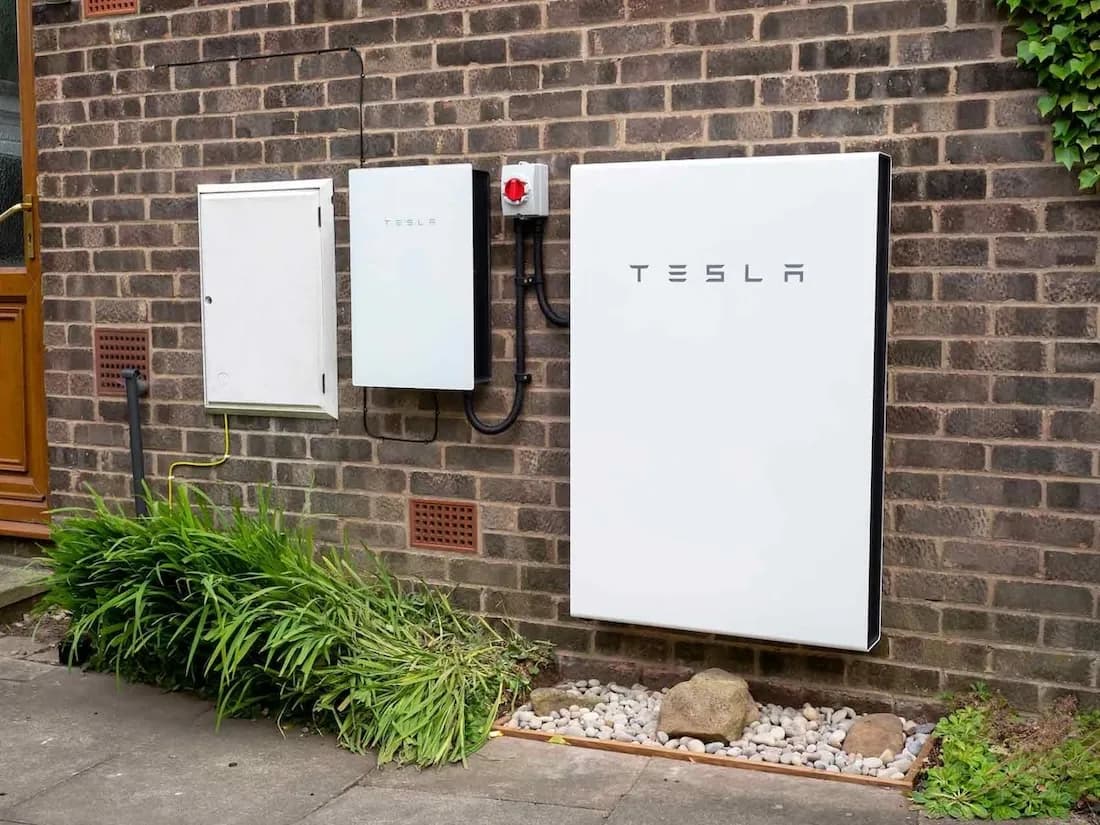
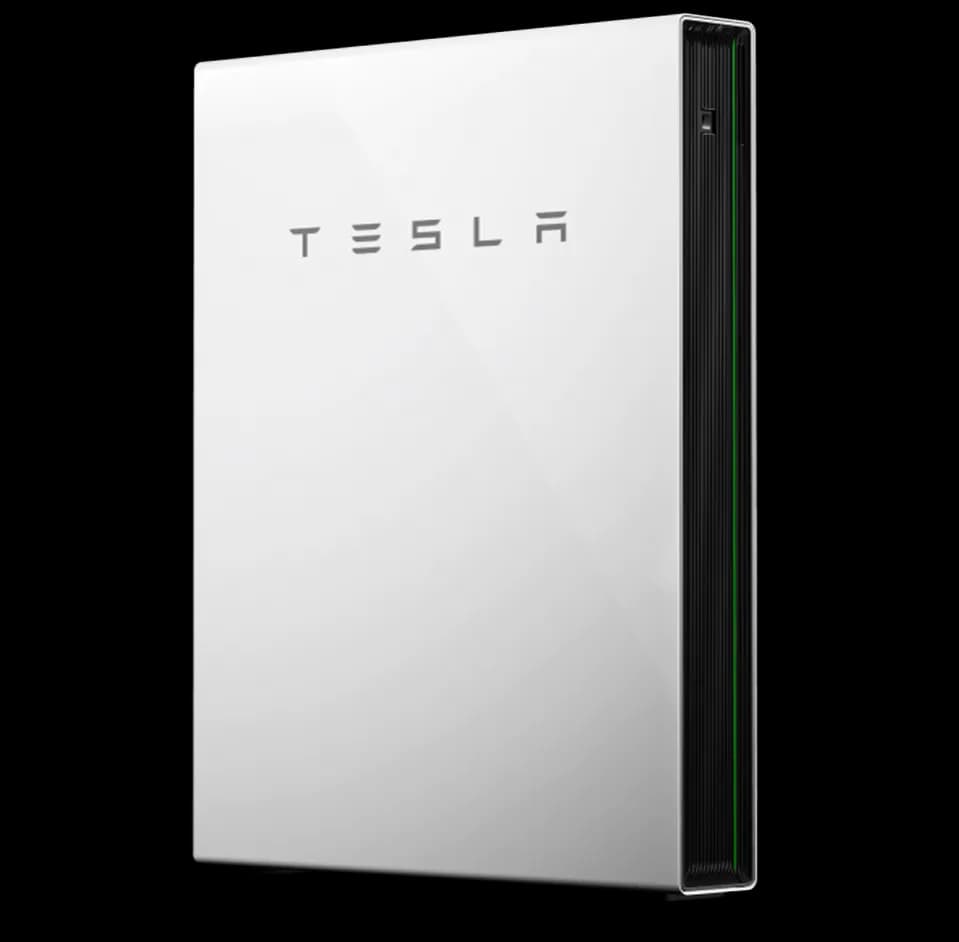
13.5 kWh of storage with an integrated solar inverter. Backup needs Tesla's backup gateway and a system designed for the circuits you want to keep running. We’ll check which loads can run together.
A modular battery and energy-management system that brings solar, storage and EV charging together. It's the system behind our installs at Cambuskenneth, Loch Venachar and Kinlochard.
Not every battery project starts with panels already on the roof. We also install systems designed purely for load shifting or future solar expansion.
Emergency Backup
Some battery systems save money but still shut down during an outage. If keeping the home live during power cuts matters, the EPS specification needs planned properly from the start.
Tesla Powerwall 3 provides backup when it's installed with Tesla's backup gateway.
Other systems can support backup too, but the hardware and protected circuits need specifying correctly.
Especially useful for rural homes where outages can last far longer than a short grid blip.
Typical motivation
Most customers start with economics: store cheap energy and reduce peak-rate buying from the grid.
Priority for some homes
Backup becomes the deciding factor in exposed or remote locations where outages are more than a minor nuisance.
Current tax position
Domestic battery installations currently qualify for 0% VAT, whether the battery is standalone or installed alongside solar, which materially improves payback. For the full 2026 picture on grants and eligibility, read our battery storage funding guide for Scotland. No panels yet? Here's how battery storage without solar panels works.
Recent Project
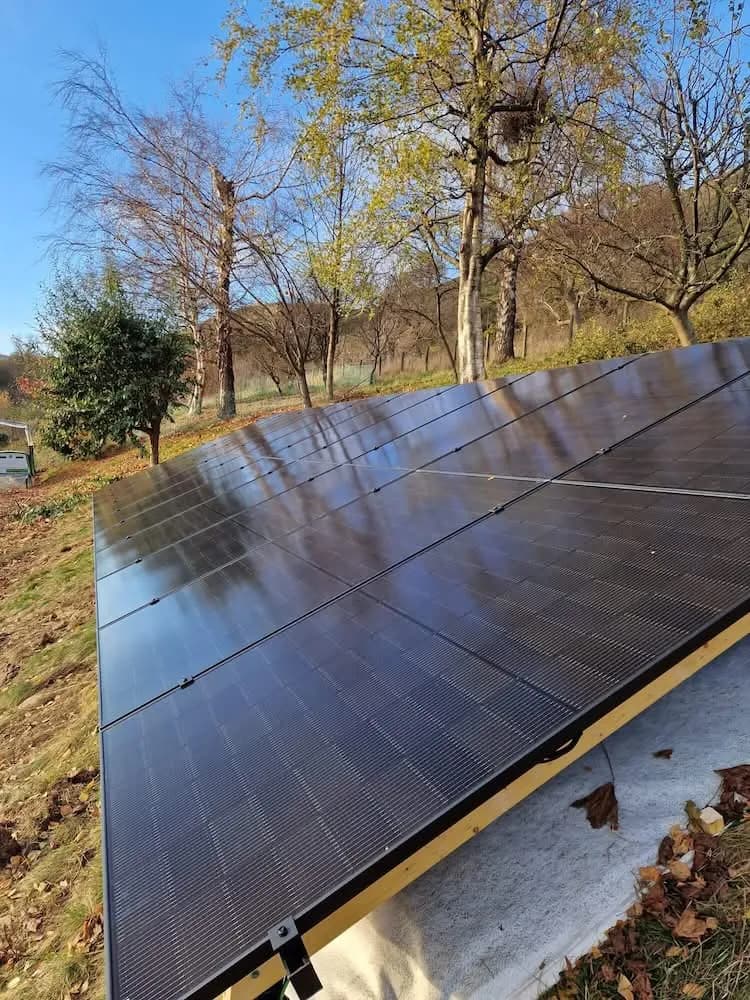
At The Arns in Alva, we paired 20 JA Solar panels with a Tesla Powerwall 3. The 8.8 kW solar array and 13.5 kWh battery were part of the same installation.
For your home, we’ll start with when you use electricity and the equipment you already have. That helps us work out how much storage is useful and what needs to go into the quote. Backup is a separate part of that assessment: we’ll agree which circuits you need and specify the equipment to supply them.
13.5 kWh
Powerwall 3 storage capacity
8.8 kW
Solar array at The Arns
Good Next Steps
Battery projects usually start from one of three questions: how to keep the house running in outages, how to store more solar, or how much a properly sized system would cost.
If resilience is the main reason you are looking at storage, this explains what stays on, how switchover works, and which systems suit backup best.
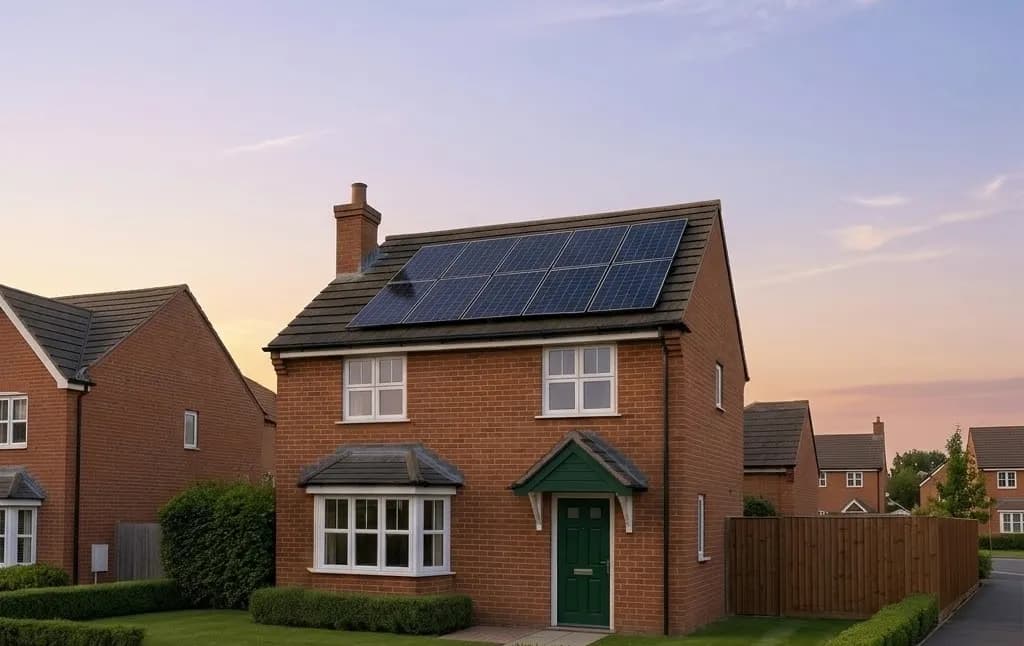
For many homes the strongest long-term setup is solar plus storage, designed together rather than added piece by piece later.
We size the battery around tariff, usage, and whether backup matters to you, so the quote reflects the actual job rather than a generic package.
How It Works
The important part is not just fitting the battery. It is setting the system up so the tariff, charge windows, and backup expectations all align with how the property works.
We assess how the property uses electricity, whether solar is already installed, and whether the goal is savings, backup power, or both.
The right battery size depends on the home, not a template.
AC-coupled retrofit, hybrid system, backup provision, and installation location are all planned properly before the quote is finalised.
Compatibility, cable routes, and DNO requirements covered up front.
We fit the equipment, complete the electrical work, set up monitoring, and configure charge and discharge schedules for the tariff.
Testing, commissioning, and handover done by our own team.
Once live, the system begins storing cheaper or surplus electricity for use when it is more valuable, with backup protection where specified.
Support remains available if the setup needs refining later.
Common Questions
These are the questions we hear most often from households comparing Tesla, Sigenergy, backup power, and battery-only systems.
The installed price depends on the battery, inverter and work your home needs. We'd check your electricity use and electrical supply before quoting. Compare the complete installation, including any backup equipment, and ask for the VAT treatment in writing.
Read the full answerOften, yes. An AC-coupled battery can be added alongside suitable existing solar equipment, but we check the inverter, metering and electrical installation first. If you receive Feed-in Tariff payments, the proposed arrangement needs checked with your FIT licensee before changes are made.
Read the full answerOnly if the installation is designed for backup. We use equipment such as Tesla Powerwall with its backup gateway or Sigenergy with the Sigen Gateway, where specified. The supported circuits, available output and stored charge determine what can run and for how long.
Read the full answerThey can be, but we'd check your usage, tariff and installed cost before recommending one. Allow for storage losses and any solar export income you give up. Low consumption or a small gap between tariff rates can make the financial case weak. Backup is a separate benefit that needs specified equipment.
Read the full answerIt depends on the model, conditions and how the battery is used. Check the exact UK warranty, including retained-capacity and cycle or throughput limits. A warranty period is different from a guaranteed service life, so we wouldn't promise one replacement date for every system.
Read the full answerYes. A standalone battery can charge from the grid during cheaper tariff hours and supply the house later. Whether it's worth buying depends on your usage, tariff eligibility, storage losses and installed cost. We check the supply and a suitable location before recommending a system.
Read the full answerQualifying battery installations in residential accommodation currently receive 0% VAT until 31 March 2027, including standalone grid-charged batteries. Under current rules the rate becomes 5% from 1 April 2027. Buying equipment separately can have different treatment. Ask for the VAT position on your quote.
Read the full answerWe no longer offer GivEnergy on new installations: GivEnergy Ltd entered administration on 9 April 2026, and its administrator said it would not honour further hardware warranties. Existing GivEnergy systems can keep working. For new installs we fit Tesla Powerwall, Sigenergy, SolarEdge, Fox ESS and Growatt systems, and we'll recommend the right one at your free survey.
Read the full answerThe position needs assessed for the equipment and your home. A garage or utility room isn't automatically suitable. We check fire safety, escape routes, manufacturer clearances, temperature limits and maintenance access before agreeing an indoor or outdoor location.
Read the full answerThe network connection and any property permissions need checked for the design and location. Some systems follow a G98 notification route; others need a G99 application and approval before connection. We handle the DNO paperwork for our proposed installation and check the relevant Scottish building requirements.
Read the full answerTell us whether you have solar already and what you want the battery to do. A recent electricity bill and the make of your inverter are useful if you have them. We’ll check the equipment, installation space and tariff, then explain the proposed system and what the quote includes.
Live tool
Free calculator using the live Octopus public-API rates for your DNO region. Compares Flux import vs export spread against a standard tariff baseline.
Service Coverage
Explore the main areas we cover for home battery storage, or contact us if your town is nearby and you want to check whether we survey there regularly.