

No Solar Panels? You Can Still Install Home Battery Storage in Scotland
A guide to standalone home batteries, smart tariffs, and what installers check before fitting one.
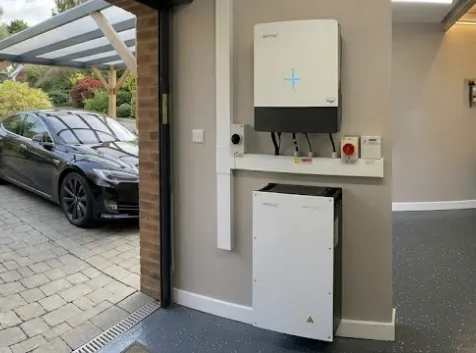
No Solar Panels? You Can Still Install Home Battery Storage in Scotland. A guide to standalone home batteries, smart tariffs, and what installers check before fitting one.
The Quick Version
How to Save Money Without Solar
You don’t have to pay the same electricity rate all day. The trick is using a time-of-use tariff, where the day is split into cheaper and more expensive windows.
Tariffs like Agile, Economy 7-style products, and some EV tariffs can let you buy electricity cheaper at certain times of the day or night, if you qualify for them.
The battery charges during the cheap window, then kicks in later when electricity is more expensive. The technical name for this is grid arbitrage, but in simple terms it means buying power when it is cheap and using it when it would normally cost more.
The battery app can be set to follow the tariff schedule. Once it’s set up properly, it should more or less take care of itself.
The good thing is you don’t need solar panels for this to work. No roof work. Usually no planning permission. Just a battery, a smart meter, the right tariff, and a suitable electrical setup.
We fit standalone batteries right across Central Scotland, here's how our home battery storage installation works.
The hardware for battery-only installs
Several brands can be used for standalone retrofit batteries without solar. The two most common sizes we fit are around 5kWh and 9.5kWh, so we'll use those as examples.
The smaller 5kWh option
This is a smaller battery, which is best used for homes with lower electricity usage. It can help with light evening usage, but not for a full heavy evening usage in every household. Often paired with an AC-coupled inverter, which is a separate unit typically mounted adjacent.
These batteries can be monitored via the manufacturer's app or cloud portal. The warranty depends on proper install, commissioning, and the manufacturer's conditions. The policy is usually around 10–12 years, subject to commissioning and health-check conditions.
The larger 9.5kWh option
This is the bigger, more popular option. This battery can be enough to cover a full evening peak for most 3–4 bedroom homes.
The bigger the battery, the more room there is to charge overnight and use through the more expensive period. Being a bigger battery means a heavier/larger unit, so the install location matters more here. It is typically placed in garages, utility rooms, or suitable external locations.
The dimensions/weight depend on the model generation being supplied. The same general app/portal setup applies as the smaller 5kWh option.
Why AC-Coupled?
Standalone batteries are connected without solar, and for this type of install they are usually AC-coupled. This means the battery connects to your home’s normal AC electrical system, rather than DC solar wiring.
AC-coupled systems are slightly less efficient than DC-coupled systems for round-trip efficiency. However, for battery-only installs there is no DC solar source anyway, so an AC-coupled system makes more sense for this type of job.
The battery often gets its own dedicated circuit from the consumer unit. So there is no need for any DC wiring, roof work, or solar inverters. Solar can still be added later as a separate add-on.
What Should Be Checked at Your Consumer Unit?
Here’s the part a lot of battery guides skip. The battery isn’t just stuck on the wall and left at that. It’s important that we first check how it connects to your home’s electrical system. The battery connects to your home’s consumer unit, or fuse board, and draws from your meter supply.
Spare capacity in the consumer unit. The battery needs its own dedicated connection, protection device and isolator arrangement. If the fuse board has spare room, then it can be connected here. However, if it’s full, the installer would need to add a small separate board. In some cases, the whole consumer unit may need to be replaced.
The age and type of fuse board matters. Older fuse boards can be problematic. For example, if you still have a BS 3036 rewirable fuse board, or a board without RCD protection, it may not meet current BS 7671 requirements. In that case, we’d recommend a full consumer unit upgrade before the battery goes in. This is more about safety and compliance rather than an upsell.
Meter tail capacity. The battery inverter connects after the meter but before the consumer unit, via a Henley block or similar junction. We need to confirm the meter tails, which are the thick cables near the electricity meter. It’s important that the installer checks whether these are suitable for the extra load and setup of the new battery. Many modern homes have 25mm² meter tails suitable for a 100A supply, but this is still checked on survey.
CT clamp position. A current transformer, or CT clamp, goes around one of the meter tails. This lets the battery see what the house is importing or exporting and from this, decide when to charge or discharge. If fitted in the wrong place, the battery may not behave properly. This is a common reason why battery systems underperform.
Earthing. We as installers will confirm your earthing arrangement. Common types are TN-C-S, TN-S, and TT. The battery inverter needs to be bonded and connected correctly, and must comply with BS 7671 electrical regulations and the relevant safety provisions in Building (Scotland) Regulations Sections 4.5 and 4.6.
If Your Board Needs Replacing
Age alone doesn’t decide if your consumer unit / fuse board needs upgraded before the battery goes in. Some older boards are still tidy enough, and some newer ones are already packed.
It really depends on the condition, spare capacity, protection, compliance and test results. The survey will tell the installer what they’re actually dealing with.
The new board should have dual RCD protection, or RCBO protection per circuit, proper labelling and space for the battery. This usually also makes future work easier for the likes of solar or an EV charger.
Scottish Compliance and Certification
This is not just a plug-in appliance. It has to be installed, tested and certified correctly.
For domestic battery work in Scotland, it must comply with BS 7671. In Scotland, electrical safety also sits under the Scottish Building Standards system, including Standard 4.5 Electrical Safety and 4.6 Electrical Fixtures for domestic buildings.
The exact paperwork will depend on the route used, but the customer should not be left guessing. They should have a record of the work once it is completed. This may include an Electrical Installation Certificate and, where applicable, a Certificate of Construction.
The Grid Paperwork Side
The battery has to connect to the grid. Because of this, there are rules around how it should be connected. This is where G98, G99 and sometimes G100 come in.
Some installs can be a simple notification to the DNO, whilst others need an application before the system can be connected. It all really depends on the rating of the inverter, the supply to the property, and whether the system is allowed to export back to the grid or not.
The installer typically handles this part. SP Energy Networks are the typical DNO for Southern and Central Scotland, whereas further north it is usually SSEN.
If the design includes export, then approval can also depend on the local network’s capacity. This should be checked during the survey and application stage, not guessed on the day.
The Tariff Matters as Much as the Battery
People often get caught out of this part. Having a home battery on the wrong tariff could prevent you from saving as much. When it comes to savings from home battery storage, the whole point is to charge the battery during the cheap window and then use the stored electricity when the more expensive rates kick in.
On initial thought flux might seems like the obvious option. But this usually only comes into play when solar panels are involved. For retrofit batteries, the better options are usually around the Agile / Economy 7 style tariffs, or EV tariffs could be more suited to you.
Illustrative Battery-Only Arbitrage Spread (Southern Scotland, April 2026)
| Time Period | Rate | Type |
|---|---|---|
| Cheapest overnight window | ~7.5p–10p/kWh | Off-Peak |
| Typical daytime import | ~18p–24p/kWh | Standard |
| Busier daytime/evening periods | ~24p–30p/kWh | Peak |
Cheapest overnight window
~7.5p–10p/kWh
Typical daytime import
~18p–24p/kWh
Busier daytime/evening periods
~24p–30p/kWh
This table is only a guide, but it shows the kind of gap you are looking for. The bigger the difference between the cheap charging window and the expensive usage window, the more useful the battery can be. The actual numbers can change depending on your supplier, your DNO region, the tariff you qualify for and the time of year.
What the Battery Is Doing Each Day
Cheap window: During this window, this is where you want to fill the battery from the grid when the rates are at their cheapest. This usually happens overnight, depending on the tariff. Charging an empty 9.5kWh battery with a 3.6kW inverter can usually fit into a normal cheap-rate window and takes around 2.5 to 3 hours.
Daytime: This is where the battery usually holds charge, or it can follow whatever schedule has been set. On a fixed-window tariff, this is usually more straightforward because the cheap and expensive windows stay the same. With Agile-style tariffs, it can be more flexible, but it often needs more attention because the prices change daily.
Expensive period: When the grid rate is higher, the battery discharges to provide power to your home using the cheaper stored electricity. This is the whole point of the setup for your savings.
Repeating daily: The app/portal controls the schedule, so it can repeat daily. Once it’s set up, it can mostly run itself, but if the tariff changes or the household usage changes, the settings may need to be reviewed.
The numbers on what you could save
This is an example of what you could save using a realistic battery-only tariff.
Charging a 9.5kWh battery from the grid at 7.5p–10p/kWh costs around £0.71–£0.95. However, you don't get all the energy back from this because batteries have an efficiency loss of roughly 10%. This means that a 9.5kWh battery would give you around 8.55kWh to use after losses.
If using the 8.55kWh avoids import at 18p–30p/kWh, that is worth around £1.54–£2.57. After the charging cost, the net daily benefit is roughly 59p to £1.86 and over the year this amounts to saving you around £200 to £650, but only in favourable conditions.
Your savings could be lower if the cheap rate is not cheap enough, the expensive rate is not high enough, the battery does not cycle properly or the home does not use much power during the expensive periods. Homes that have heavier evening usage usually benefit the most.
EV tariffs can help if the household qualifies, but that is a wider tariff decision.
What You Need Before Installation
Before the battery gets installed, there are a few things that need to be in place first.
A smart meter.
A smart meter is needed so the home can work properly with time-of-use tariffs. SMETS2 is preferred. If you don’t already have one, your energy supplier can usually arrange this, but it’s worth allowing a few weeks before the battery install.
The right tariff.
This is a big one. The battery only really makes sense if you have a tariff with cheap and expensive periods. This could be Agile, an Economy 7-style tariff, or an EV tariff if you actually qualify for one.
Flux only really comes into the conversation if solar panels are being installed as well. You can have the battery fitted first and sort the tariff after, but on a flat-rate tariff the battery is not going to do much for your savings.
A suitable place for the battery.
The battery needs a proper wall or floor space. This is usually somewhere like a garage, utility room, or a suitable external wall if the setup is weather-rated.
It should not be installed in a bedroom or above a heat source. There also needs to be enough clearance around it, which depends on the manufacturer’s instructions and the exact model being fitted.
Think about the cold.
If the battery is going in an unheated garage or outside, Scottish winter weather matters. Most home batteries can work in cold conditions, but performance can reduce when temperatures get very low.
So the location still needs thought about. It’s not just a case of putting it wherever there is a bit of spare wall.
Home insurance.
After the battery is fitted, it could be worth updating your home insurance. This is mostly just so it’s noted on your policy. It’s not really much different from adding other fixed electrical equipment to the house, but it’s best to tell them just to be on the safe side.
What About Funding?
There’s not a lot of funding about just now for standalone battery installs. The real money saver right now is on the VAT side.
0% VAT until 31 March 2027
Currently, 0% VAT applies to domestic battery storage installs. This has been the case for electrical storage batteries since 1 February 2024, and is due to run until 31 March 2027.
Solar panels aren’t required for this. A battery-only retrofit can still qualify, which takes a decent chunk off the total install cost.
For a 9.5kWh battery install, you could be looking at around £500–£800 saved in VAT alone, depending on the final price of the job.
Unless the rules change again, the VAT rate is expected to go back to 5% from 1 April 2027.
Home Energy Scotland
People often get mixed up with funding from Home Energy Scotland. This isn’t really a funding route now for a normal standalone battery install.
Any referrals after 6 June 2024 are no longer funded for solar PV or energy storage systems.
It’s maybe still worth checking the Home Energy Scotland website for any updates, because these schemes do change. But currently, for a battery-only retrofit install, there is no funding available through that route.
ECO4
ECO4 is a different thing entirely. This focuses more around lower-income households, fuel poverty, or homes that need bigger energy-efficiency upgrades.
Batteries might get included as part of a larger package. However, this doesn’t mean that most people can apply for a standalone battery for free.
It all really just depends on the household, the property, the supplier route and the kind of work being carried out. So it needs checked properly before assuming anything.
Adding Solar Later
This is one of the benefits of going AC-coupled. You don’t have to do everything at once.
If you install the battery first, solar panels can still be added later. The solar would usually have its own inverter, or in some cases the system may be upgraded to a hybrid inverter setup depending on what is being fitted.
The existing battery can keep doing its job, but now it can also store spare solar energy during the day instead of only charging from the grid.
The CT clamp already fitted at the meter tails helps the system see when the home is generating more solar than it is using. When there is spare solar power, the battery can charge from that instead of sending it straight back to the grid.
So the battery-only install does not close the door on solar later. It can be a first step, then solar can be added when the time is right.
The savings can also improve quite a bit once solar is added. You are not just buying cheap electricity overnight anymore. You are also using more of your own solar power during the day and evening. In the right setup, self-consumption plus tariff savings can push the annual saving much higher, sometimes over £1,000.
Thinking About a Battery-Only Install?
We can check your consumer unit, meter tails, earthing, CT clamp position and tariff setup before recommending the right battery for your home.
Related Articles
Continue reading with these similar topics

Octopus Flux vs Go vs Intelligent Go in Scotland: Which One Should You Actually Use?
Flux vs Go vs Intelligent Go in Scotland: which Octopus tariff suits solar, batteries and EVs? See live Southern Scotland rates, examples and installer advice.
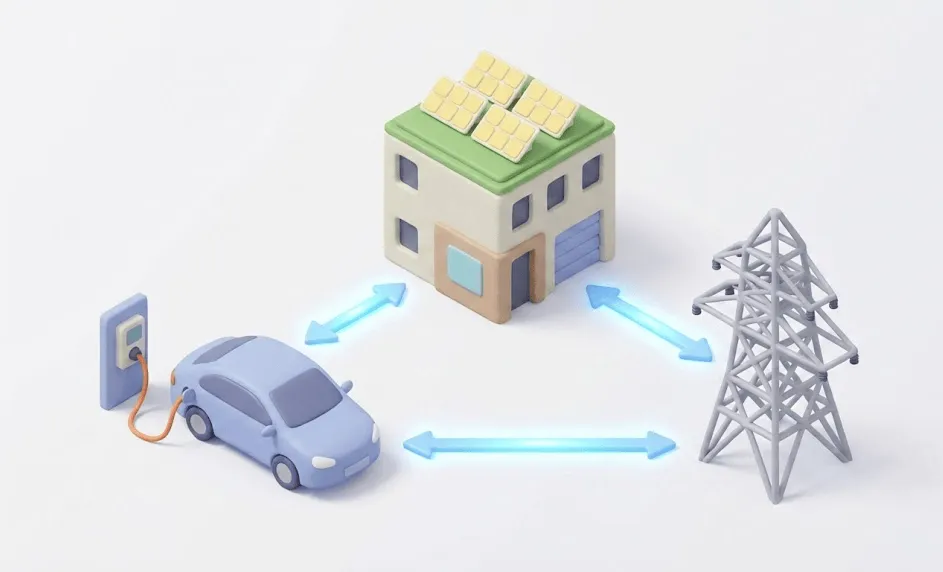
Vehicle-to-Grid: Making Money From Your Car (And Why You Should Probably Wait)
A guide to V2G for Scottish homeowners. What it is, why it's not quite ready, and what you can do right now instead.
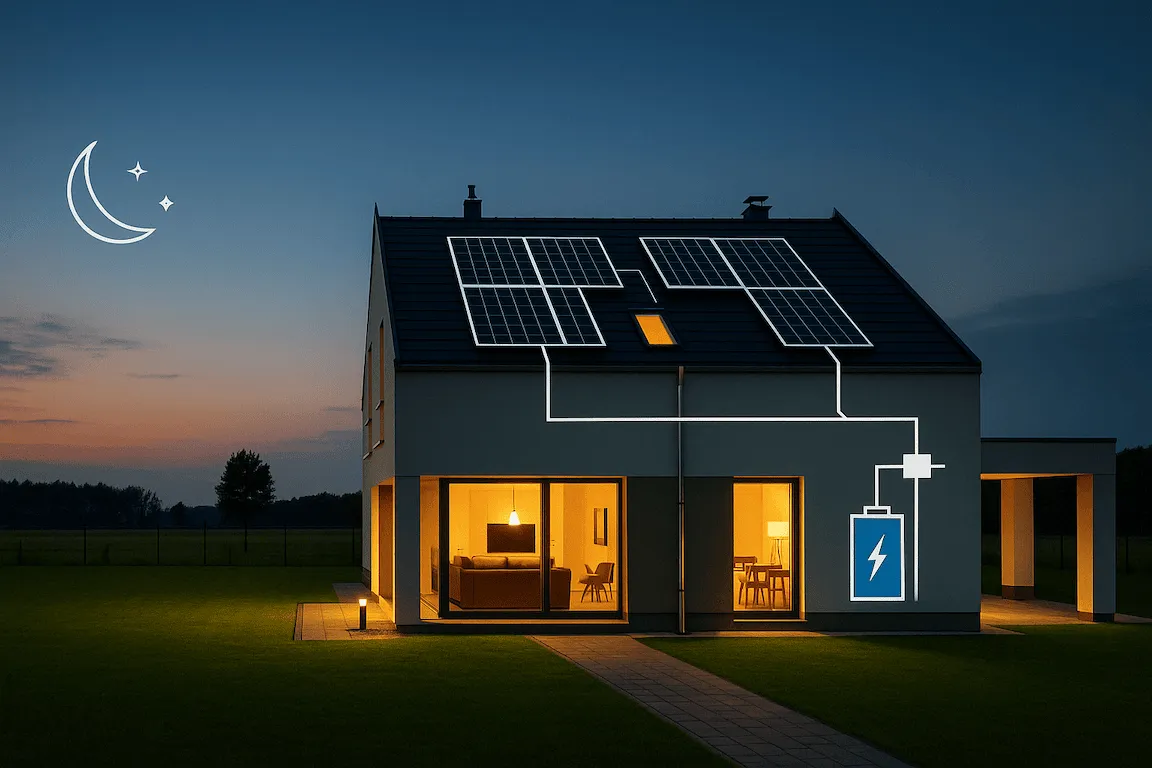
Home Battery Storage Scotland 2026: Costs, ECO4 Grants & 0% VAT
Home battery storage in Scotland for 2026: realistic costs (£4k-£10k+), ECO4 grant eligibility before it ends 31 December 2026, 0% VAT until March 2027, and why Home Energy Scotland no longer funds batteries.