

Fuse Box Keeps Tripping? When to Call an Electrician
Fuse box or RCD keeps tripping? Understand the warning signs, what to tell an electrician and when to call 105. Practical advice for Scottish homes.
Information checked: 18 October 2026.
If your fuse box keeps tripping, get the cause investigated. Repeatedly switching it back on won't tell you whether the problem is an appliance, the wiring or something else in the installation. Leave the affected circuit off and speak to an electrician if it trips again or won't stay on.
You don't need to diagnose it before you call. Knowing which rooms have lost power, when it happened and what was running gives us a useful starting point.
If there is smoke or fire coming from electrical equipment in your home, get out, stay out and call 999. Don't stop to investigate the fuse box. For burning smells, scorch marks, crackling or equipment that appears overheated, keep away from the affected equipment and seek urgent help. Don't touch it to check its temperature.
For an urgent electrical enquiry in Central Scotland, call Mackie on 07990 504549 to discuss availability. For planned fault finding, send an electrical enquiry.
What has actually tripped?
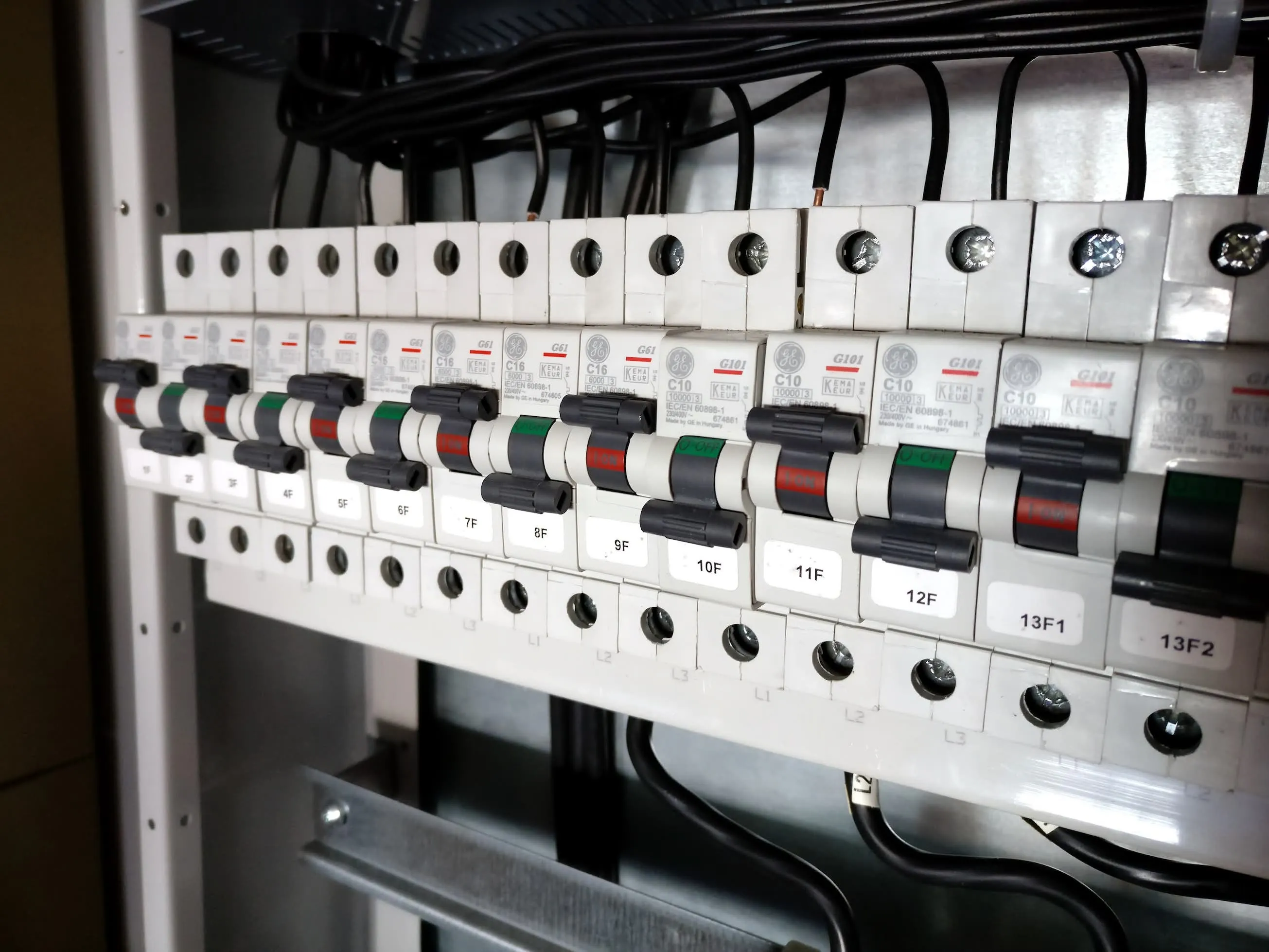
“Fuse box” is the name most people use for the consumer unit. The switches inside can do different jobs, which matters when you're explaining what happened.
A circuit breaker, often labelled MCB, protects against overcurrent, including an overload or short circuit. An RCD detects current taking an unintended path and disconnects the supply to reduce the risk of electric shock. An RCBO combines residual-current and overcurrent protection.
Depending on the arrangement, one RCD can protect several circuits. That can explain why more than one part of the house loses power together. It doesn't identify where the fault is.
If you can safely see the labels on the front, note which switch is off. A photograph from a safe position may help us understand the layout. Keep covers in place. Don't pull out fuse carriers, open sockets or touch wiring. If the board is damaged, wet or showing warning signs, leave it alone.
NICEIC's consumer-unit guide explains these different protective devices. Its technical explanation applies to equipment used in Scottish homes; the page's Part P notification guidance is specifically for England and Wales.
Why a circuit breaker or RCD might keep tripping
An overload and an earth fault are different problems. The device that operates helps the electrician decide what to investigate. A fault in an appliance or the fixed installation can also be involved, so a switch going off doesn't mean the switch itself needs replacing.
Tell us if the problem started when particular equipment was used, after other work, or during wet weather. Those are clues to discuss, not a diagnosis. Don't recreate the trip to prove a pattern or try a suspect appliance in another socket.
Electrical Safety First advises getting an electrician to investigate the underlying cause of repeated RCD tripping. It also makes the point that the fault should be corrected before the circuit is reset. A supply that comes back on is not proof that the installation is safe.
Sources checked 18 October 2026: Electrical Safety First: RCD investigation and Electricity made easy, UK guidance.
It trips with nothing plugged in
Tell the electrician that too. Removing plug-in appliances doesn't rule out a problem with the fixed wiring or equipment connected directly to it. A cooker, heating control or outdoor circuit may not have an ordinary plug you can remove.
Leave the affected circuit off if it won't stay on. Testing is needed to narrow down the cause; there isn't a reliable diagnosis you can make from the position of the switch alone. Don't disconnect fixed equipment or bypass a protective device to get power back.
Is it a power cut instead?
If the whole house has lost power, a network outage is another possibility. Check your network operator's power-cut information, or call 105 to report a power cut. The number is free and routes you to the local electricity network operator, regardless of who sends your electricity bill.
SP Energy Networks provides this advice for its network area, which includes Central and Southern Scotland. A fault inside the property needs an electrician; the network operator deals with its supply network. If you're unsure which it is, explain what you've noticed when you call.
SP Energy Networks: what to do in a power cut, checked 18 October 2026.
What to tell us when you call
A short description is enough to start. The useful details are:
- Your postcode and whether the property is a home or business.
- Which rooms or equipment have lost power.
- Whether it happened once, keeps happening or won't stay on.
- Anything you noticed before it happened, including recent work or an appliance being used.
- Any burning smell, smoke, damage, water or crackling, without approaching equipment to investigate.
Let us know if the loss of power affects something essential. Don't wait for a web-form reply where there is an immediate safety concern.
We can discuss the next step and what needs checking before a repair can be priced. Fault finding and the repair itself can be separate parts of the job, so agree the scope and charges before work starts.
Does it mean a new fuse box or a full rewire?
Repeated tripping alone doesn't settle that. The installation needs assessing before anyone recommends replacing a board or rewiring the house.
Our electrical services include fault finding, repairs and consumer unit upgrades. Where a wider condition assessment is appropriate, we can discuss an EICR. An active fault needs attention in its own right; you don't have to wait for a routine inspection date to raise it.
If rewiring is recommended after assessment, our Scottish rewiring guide explains access, disruption and what to agree in the quote. Ask what the investigation found and how the proposed work addresses it.
Safety advice for Scottish homes
The protective-device guidance above is UK technical advice and applies in Scotland. The emergency advice comes from the Scottish Fire and Rescue Service. Its electrical-safety guidance also explains the risks from damaged equipment and overloaded sockets. Both checked 18 October 2026.
Mackie Electrical Services is based in Kinlochard and serves Central Scotland, including Stirling and Falkirk. Send your postcode and what you've noticed so we can discuss the work and arrangements.
Need help with an electrical fault?
Tell us what has lost power and when it happens. We’ll discuss availability and the assessment needed before agreeing the repair. For urgent electrical enquiries, use the phone; for smoke or fire, call 999.
Related Articles
Continue reading with these similar topics
Do You Need a Fuse Box Upgrade for Your EV Charger?
A straight answer for Scottish homeowners on when an EV charger install needs a consumer unit upgrade, what BS 7671 Section 722 requires, and what it really costs.
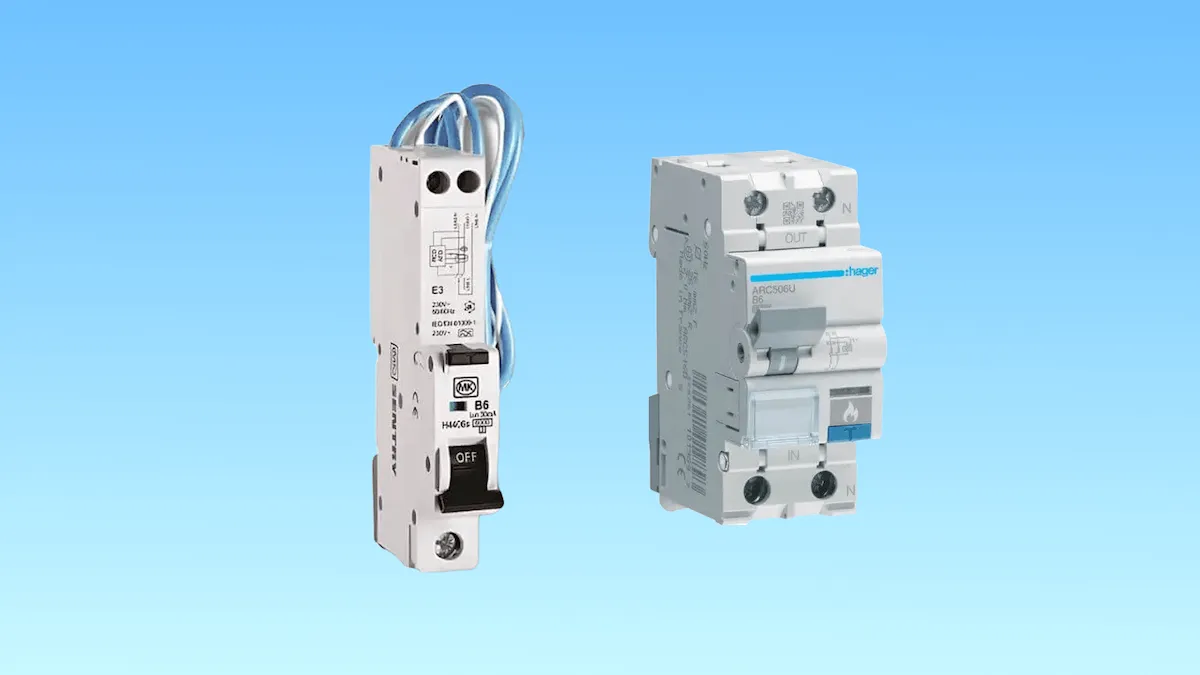
Arc Fault Detection Devices (AFDDs): What Scottish Homeowners Need to Know in 2025
Discover why AFDDs are revolutionising electrical safety in Scottish homes. Learn about new regulations, costs, benefits, and whether you need these smart fire-prevention devices.
The Landlord’s Guide to Electrical Safety in Scotland
Everything Scottish landlords need to know about EICRs, PAT testing, RCDs, and staying compliant with the Housing (Scotland) Act 2006.