
2026 EV Charger Installation Guide | Costs, Grants & Best Chargers for Scotland
What does a home EV charger cost in 2026? Covers installation costs, the current grant landscape, Zappi vs Ohme vs Hypervolt, and what your electrician actually does on the day.
New Year, New EV? A Guide to EV Charger Installation in 2026
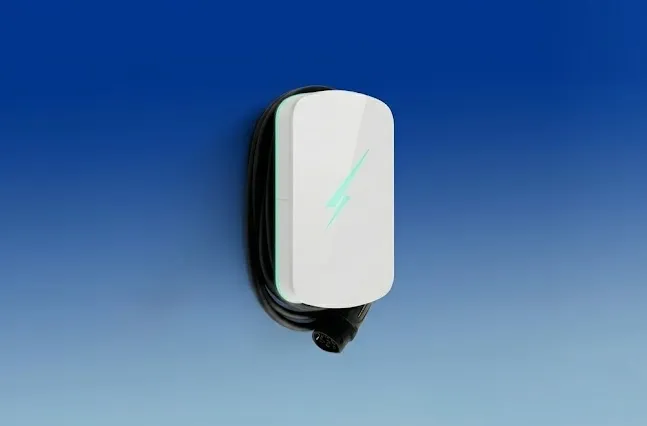
What does a home EV charger cost in 2026? Which charger suits your setup? This guide covers 2026 installation costs, the current state of Scottish grants, Zappi vs Ohme vs Hypervolt, and what your electrician actually does on the day.
As we move through 2026, the early rush of EV charger installs has settled into a more regulated, smart-first market. Whether you're a homeowner in Stirling or a business looking to electrify a fleet, the technology has improved and the rules have tightened up. The result is a better experience overall, but also less room for vague advice or imported terminology that does not fit how homes in Scotland are actually wired and used.
Why Invest in EV Charger Installation?
The benefits remain clear, but the financial and technical picture is more mature than it was a year or two ago.
Financial Reality
Petrol still tends to cost more per mile than charging at home, especially if you can use a proper off-peak tariff. The difference in 2026 is that the old blanket-grant mindset has gone. For most homeowners with a driveway, the case for installing a charger is now about convenience, future-proofing your property, and taking full advantage of intelligent tariffs rather than expecting a grant to do the heavy lifting.
Grid Stability and Smart Charging
Modern chargers are designed to work with the grid rather than against it. Charging overnight or in off-peak windows is not just cheaper for you, it also helps reduce pressure during peak demand periods. That matters more now that smart functionality is effectively built into the domestic EV charging market.
Convenience and Control
Having your own charger means your car is ready when you need it, without relying on public infrastructure or planning around busy rapid sites. In 2026, the best systems also give you much better control over schedules, tariffs, solar diversion, and load management than the early generations ever did.
The Grant Landscape: What's Actually Available in Scotland?
If you're reading older advice, be careful. A lot of it still assumes homeowner grants are widely available. That is no longer the case.
- The OZEV grant can still contribute up to £500 or 75% of the cost, but it is now mainly aimed at renters, flat owners with private parking, and some properties using approved cross-pavement solutions.
- Home Energy Scotland's domestic charge point support is no longer the standard route for most homeowners. It is worth keeping an eye on scheme updates, but you should not plan a 2026 install on the assumption that a routine grant will cover it.
- Some rural and island pilot support may still exist for more difficult access or on-street charging situations.
- Businesses still have the strongest support through the Workplace Charging Scheme, which can contribute up to £350 per socket for up to 40 sockets.
2026 EV Charging Tech: What You're Actually Buying
The big misconception in older articles is that domestic buyers should be thinking about ultra-rapid public charging hardware. For a typical home in Scotland, that is not the conversation. The standard domestic recommendation is a 7kW smart charger on a single-phase supply.
Smart Charging Is Standard
Every charger we install now has to comply with the UK's smart charging rules. In practice, that means scheduled charging, off-peak defaults, and built-in protections such as randomised delays that help avoid everyone drawing maximum load at exactly the same moment.
Solar Integration Matters
If you already have solar PV, or you plan to add it later, charger choice matters. Systems like the Myenergi Zappi remain a strong option because they can divert surplus solar generation into the car instead of exporting it back to the grid for a lower return.
App Control Is No Longer a Bonus
In 2026, software matters nearly as much as hardware. A charger that works smoothly with your energy supplier and tariff can make a real difference to running costs. For households on intelligent tariffs, automatic overnight charging can bring costs down significantly compared with a standard variable rate.
Getting Your Charger Installed: The 2026 Checklist
EV charger installation still starts with the basics, but the details matter more than the generic internet advice suggests.
Ask for a 7kW Smart Charger, Not a "Level 2"
If someone is talking about "Level 2" chargers in a UK domestic context, they are usually repeating US terminology. For most homes in Scotland, the correct conversation is about a single-phase 7kW smart charger.
Expect a Proper Load Assessment
Installers now need to consider the wider electrical demand of the property. If you have a heat pump, electric shower, induction hob, storage heaters, or other heavy loads, your installer may recommend load management so the EV charger can operate safely without overloading the supply.
Think About Connectivity
Smart chargers depend on reliable communications. Before installation day, it is worth checking whether the proposed charger location has stable Wi-Fi or a usable mobile signal if the unit relies on cellular connectivity.
Understand the Price Range
For a straightforward domestic install in 2026, our recommended Ohme Home Pro 7kW with its 5m charging lead usually comes in around £1,100 to £1,300 including VAT. That assumes a single-phase supply, private off-street parking, wall mounting, a cable run up to about 15m, a suitable existing board and an address within our local travel area. If the charger position is far from the consumer unit, cable runs are awkward, or additional protection or remedial work is needed, costs can climb from there. There's a fuller breakdown of what an EV charger installation costs if you want the detail.
Hardware Showdown: 2026 Edition
Ohme ePod and Home Pro
Ohme remains one of the strongest choices for households focused on tariff integration and low running costs. If your priority is automating charging around the cheapest available electricity, it is usually near the top of the shortlist.
Myenergi Zappi
Zappi is still one of the best-known options for solar households. If you want strong solar diversion features and a charger designed with UK homes in mind, it remains a very solid fit.
Hypervolt Home 3
Hypervolt continues to appeal to people who want a charger that looks good on the wall and feels polished in day-to-day use. It is often the aesthetic favourite, though software experience can still matter as much as the hardware finish.
So, What Should You Do in 2026?
Keep it simple. Ignore the talk about domestic 350kW charging and stop calling a UK home charger "Level 2." Ask for a 7kW smart charger, make sure your installer carries out a proper load assessment, and choose hardware that fits the way you actually use electricity at home, especially if you have solar or plan to move onto an intelligent tariff.
The right charger in 2026 is less about chasing headline specs and more about choosing a reliable unit with the right software, safe installation, and sensible running costs.
Power Up Your Property with EV Charging
Whether it's for your home or business, we'll help you choose and install the perfect EV charging solution. Serving communities across Scotland with expert installation and support.
Need help getting started? At Mackie Electrical, we're here to make your switch to EV charging smooth and simple. Let's talk about getting you set up with the perfect charging solution for your needs.
Related Articles
Continue reading with these similar topics
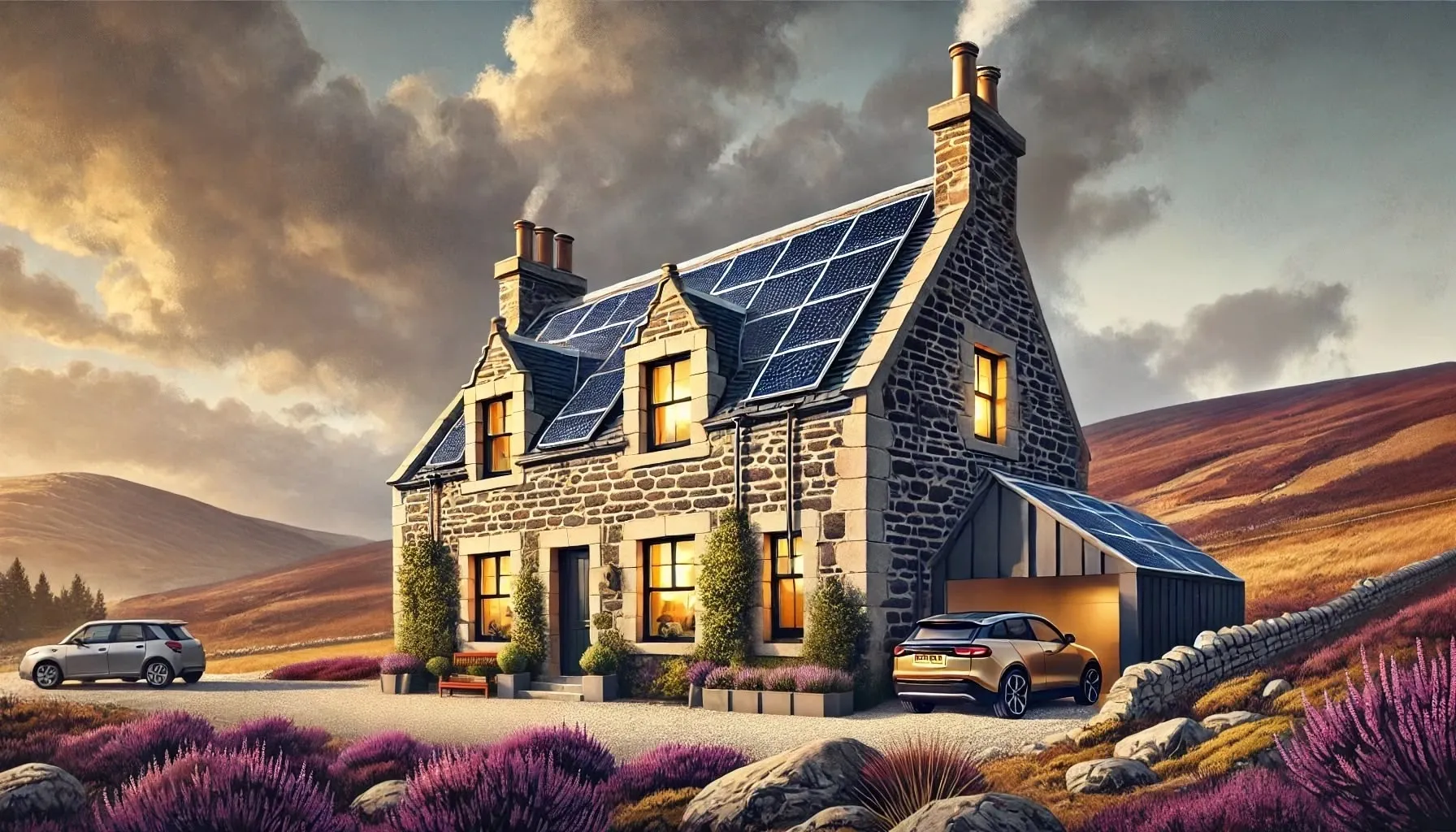
A Bright 2025. Why Solar Power Surges Across Scotland
Explore why 2025 is the perfect time for Scottish homeowners and businesses to embrace solar power, with detailed insights on costs, benefits, and the latest technological innovations in the Scottish market.
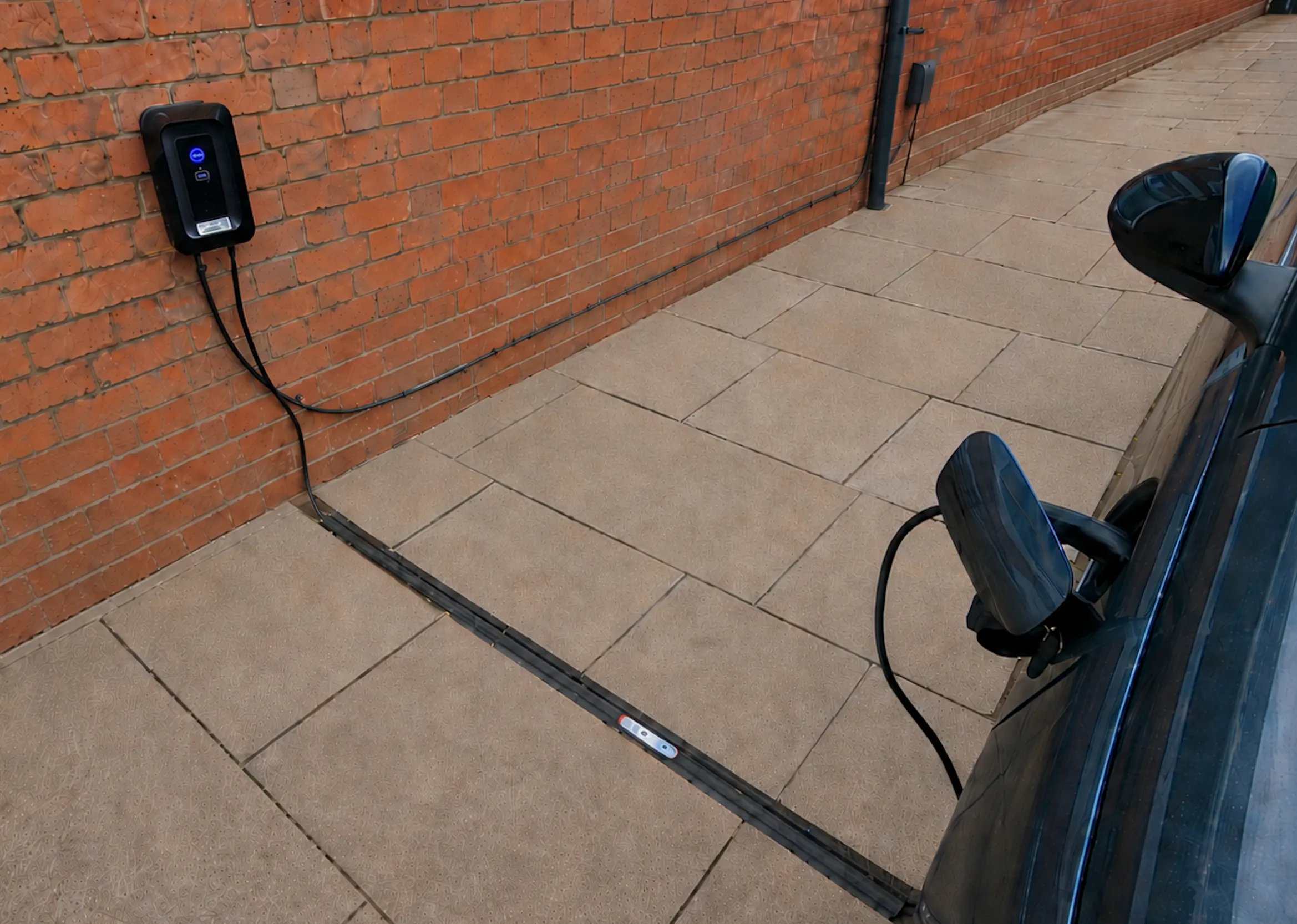
Cable Gullies in Scotland: EV Charging Without a Driveway (and the Wiring Nobody Mentions)
Scotland's cross-pavement pilot pays up to £3,500 toward a cable gully if you've no driveway. What the grant actually covers, how council permission works, and why your fuse board and a looped DNO supply can matter more than the pavement.
Do You Need a Fuse Box Upgrade for Your EV Charger?
A straight answer for Scottish homeowners on when an EV charger install needs a consumer unit upgrade, what BS 7671 Section 722 requires, and what it really costs.