
Electrical Compliance for Scottish Businesses: EICR, PAT & Emergency Lighting Rules
A complete guide to electrical compliance for Scottish businesses. Understanding EICR, PAT testing, and Emergency Lighting rules under the Electricity at Work Regulations 1989.
Electrical Compliance for Scottish Businesses: EICR, PAT & Emergency Lighting Rules
Business owners and managers in Scotland may already know about the strict electrical rules for renting out a house or flat. In Scotland, we have 5-year mandatory checks under the Housing (Scotland) Act.
However, these are residential rules which won’t apply to you if you run an office, shop, or warehouse. The rules that apply to you are The Electricity at Work Regulations 1989 (EAWR), which are stricter than the residential legislation.
The issue is that this legislation can be pretty vague. The EAWR doesn’t explicitly say to check your electrics on set dates. It simply states that all electrical systems must be "maintained so far as reasonably practicable to prevent danger."
If any danger does arise from your electrics and you can’t prove that you have maintained them (usually with a valid EICR certificate), you are then considered non-compliant.
At Mackie Electrical Services, we help businesses across Scotland stay in line with the law and keep up to date with electrical safety. Below is the guide to what you need to know.
Quick Summary
1. The EICR: The Frequency Varies
The EICR (Electrical Installation Condition Report) is the report you need for compliance. It’s the main certificate you need to prove your wires, sockets and fuse boards are actually safe.
Businesses often think they require one every 5 years. This isn’t always the case. How frequent they are really depends on the risk level of your premises.
Commercial
Businesses such as shops, offices, and retail units are considered "low risk" premises since they are usually clean, dry, and have basic electrical usage rather than heavy machinery. Given that they are lower risk, they typically require an EICR every 5 years.
Industrial
Warehouses, workshops, and factories are generally a higher risk.
These businesses often operate in a more industrial environment, which tends to cause issues such as vibrations loosening screws in distribution boards or dust ingress leading to a fire risk. Therefore, the HSE requires that monitoring is stricter in these cases, usually every 3 years.
A Note for New Leases
To ensure that you are compliant, do not sign a new lease until you see a valid EICR. If you move in with dodgy electrics, you (as the Duty Holder) become responsible for someone else's mess, and it’s left to you to fix it the moment you are handed the keys.
2. Emergency Lighting: The "Flick" vs. The "Drain"
Most businesses in Scotland have emergency lighting—you’ll recognise the little green running man signs or the spotlights on the ceiling.
The required testing schedule falls under BS 5266-1, where you must test the following:
The "Flick" Test (Monthly)
This is a functional test where the emergency lights are switched to battery mode for a short period to check if they light up. You or your maintenance team can carry out this test, and it should be done monthly.
It’s important that you record this in a logbook. If it’s not written down, you’re not covered legally.
The "Drain" Test (Annually)
This is a full duration test which usually lasts 3 hours. It requires the lights to be cut from the mains and left running on their batteries for the full 3 hours.
This is vital because batteries degrade over time. A light might work for 5 minutes (passing the monthly test) but fail after 60 minutes. In a real fire, that could leave your staff in the dark.
Because of this risk, the annual drain test must be carried out by a trained professional. Mackie Electrical Services can handle this for you—we verify the system is fit for purpose and issue your compliance certificate.
3. Insurance & How to Ensure You’re Covered
As a business owner, it’s important to protect your assets, so it’s good to know your policies have you covered.
Nearly all commercial fire insurance policies in the UK have a clause stating the policyholder must comply with statutory regulations.
Consider an incident where a fire breaks out early in the morning. The fire brigade manages to put it out, however, the damage is already done. The claim on your insurance is looking in the region of £200,000. Then you’re hit with the question: “Can I see your current EICR and Emergency Lighting Certificate?”
If your EICR has expired, it can be argued that under the Electricity at Work Regulations, you were negligent. Thus voiding your policy and your payment. Don’t let the small inspection cost ruin your business.
The Quick Check
If you’re unsure when your last test was, look at your fuse box. You should find a sticker there. If the date is expired or the sticker isn’t present, then you are likely not compliant.
4. So, What’s The Cost To Be Compliant?
We know that this is one of those things where people often grudge spending their money on testing. But it’s a must.
Pricing is often based on the number of circuits (fuse board ways) and the size of the premises. Every building is different, but here’s some information regarding different buildings:
- Small Retail / Office Units: Assuming the size is around that of a standard high street unit, you’d be looking at around half a day for a full inspection.
- Industrial / Warehouse Buildings: These are usually priced per circuit. Ensure that all circuits are tested; if you get a really cheap quote, they may only be testing a small percentage of your circuits (sampling).
You can be sure that Mackie Electrical Services will aim to test 100% of accessible circuits on the first visit. We don’t want to test 20% of circuits this year and then take years to find a fault that may be a risk right now.
Pro Tip: Combine both your EICR and Emergency Lighting test into one visit. This will help reduce costs with only the one call-out fee.
5. What About Turning The Power Off Though?
Managers of commercial buildings often worry about this due to things like crashing servers, defrosting fridges, and work pausing while this goes on.
While power will have to go off, it will only be brief and strategic.
For circuits to be tested properly, they usually have to be dead. However, we know that businesses have to keep running.
- For offices: We can test dead circuits out of hours or during breaks, while keeping essential servers on live test schedules.
- For factories: We can test around shift patterns or during planned shutdowns.
Thermal Imaging: We can also use thermal cameras to identify if any of the distribution boards are hot while under load, without switching anything off. This is a good “first line of defence” health check.
6. PAT Testing Details
Portable Appliance Testing (PAT) can be a pain for business owners. But under the EAWR, you must ensure that equipment is maintained.
You don’t have to test absolutely every item every year (unless every item is high risk). It is mainly the high-risk items that you must test. Things like kettles, floor cleaners, extension leads, and drills can all be viewed as high-risk items that can be damaged easily.
A safe risk approach would be:
- Office and IT equipment: Every 2–4 years.
- Kitchen appliances: Every 12 months.
- Handheld industrial tools: Every 6–12 months.
Compliance Checklist
Here are some checks that the duty holder of the building can carry out today:
Electrical Compliance Checklist
| Check | Frequency | Standard |
|---|---|---|
| EICR (Commercial) | Every 5 Years | BS 7671 |
| EICR (Industrial) | Every 3 Years | BS 7671 |
| Emergency Lighting (Duration) | Every 1 Year | BS 5266-1 |
| Emergency Lighting (Function) | Every 1 Month | (Client Logbook) |
| Fire Alarm Service | Every 6 Months | BS 5839 |
EICR (Commercial)
EICR (Industrial)
Emergency Lighting (Duration)
Emergency Lighting (Function)
Fire Alarm Service
Ready for Testing?
We know testing can be a pain. But it’s essential if you don’t want your business to shut down. Mackie Electrical Services can combine both the EICR and Emergency Lighting Drain Test into one visit. We can carry out all the necessary tests and provide you with the correct compliance certificates which will keep the HSE and your insurers happy.
Frequently Asked Questions
Common questions about electrical compliance certificates, risk codes, and testing responsibilities for Scottish business owners.
Mackie Electrical Services - Keeping Scottish businesses compliant and safe. Serving Stirling, Falkirk, Alloa, and across Central Scotland.
Related Articles
Continue reading with these similar topics
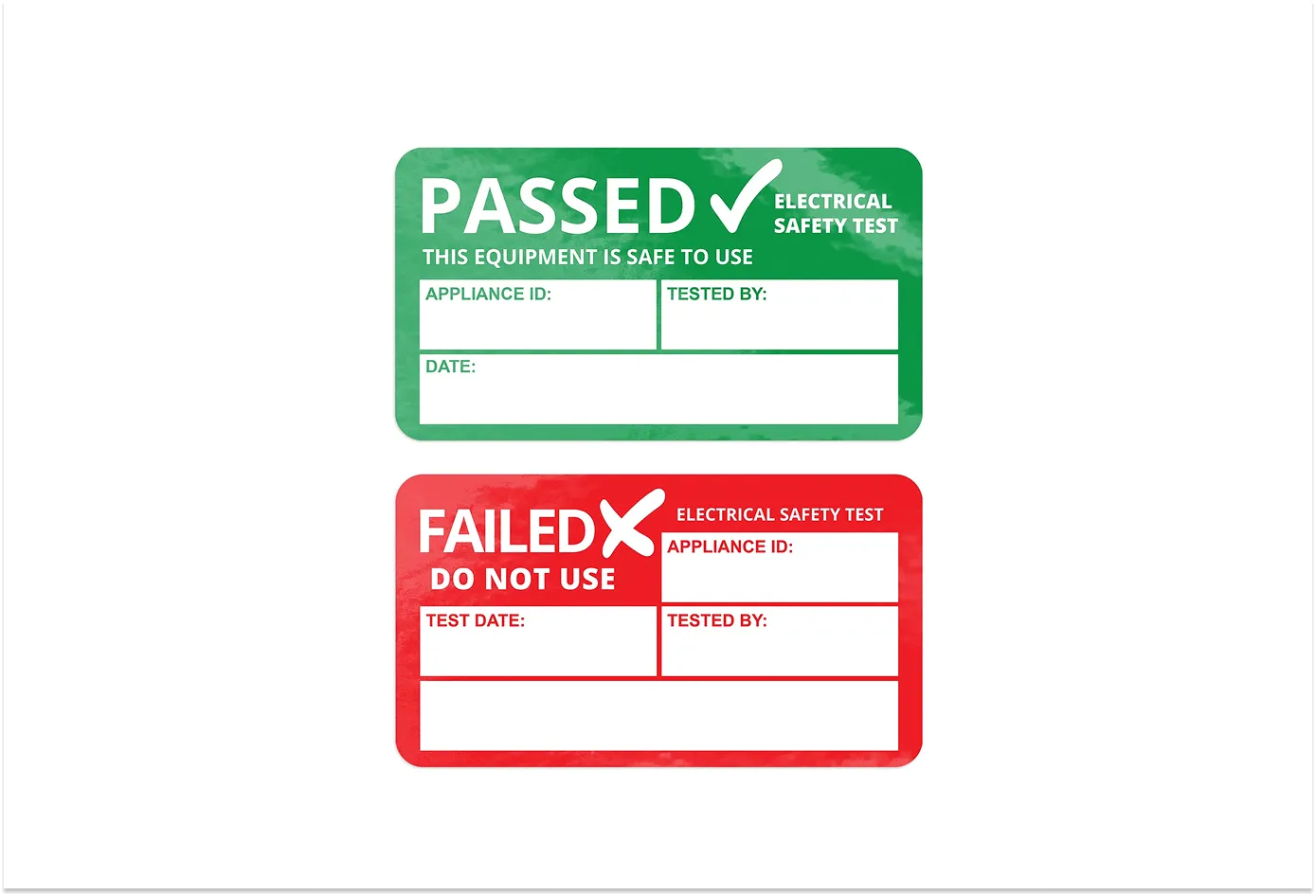
The Landlord’s Guide to Electrical Safety in Scotland
Everything Scottish landlords need to know about EICRs, PAT testing, RCDs, and staying compliant with the Housing (Scotland) Act 2006.
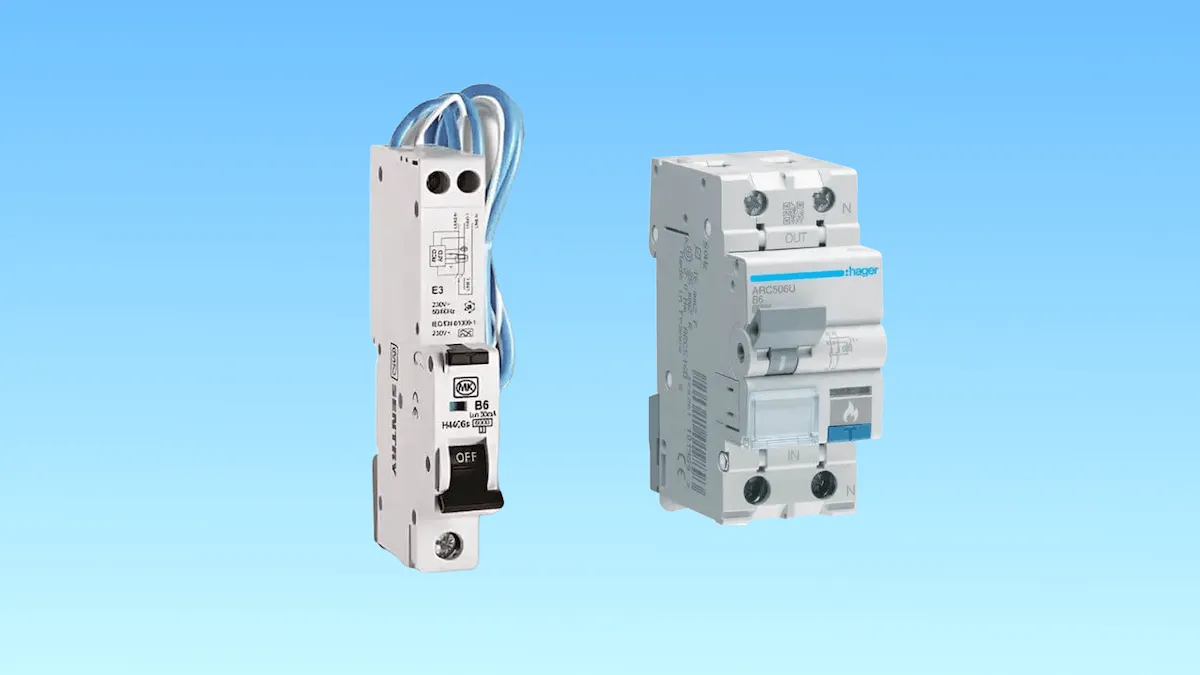
Arc Fault Detection Devices (AFDDs): What Scottish Homeowners Need to Know in 2025
Discover why AFDDs are revolutionising electrical safety in Scottish homes. Learn about new regulations, costs, benefits, and whether you need these smart fire-prevention devices.
Is Commercial Solar in Scotland Worth your Investment?
Straight-talking guide for Scottish businesses on commercial solar PV: DNO approvals (G98/G99), SSEN vs SPEN differences, export limiting, structural checks, finance, timelines, and payback.